


The Climate as a Catalyst for Human Ingenuity
Climate zones and environmental extremes have long served as silent architects of human progress. Across millennia, shifting weather patterns, droughts, floods, and temperature swings have acted not merely as challenges, but as powerful drivers of innovation. From the earliest hunter-gatherers to modern urban planners, societies have responded to climatic pressures by developing tools, systems, and social structures that redefine survival. The core insight is clear: extreme or variable climates **accelerate problem-solving** by amplifying the need for adaptation. This principle reveals a universal pattern—human innovation thrives not in stable climates alone, but where environmental stress demands creative, efficient solutions. Studying {название} exemplifies this dynamic, offering a vivid case study of how a region’s climate directly shaped its technological and social evolution.
The Theoretical Framework: Climate-Innovation Feedback Loops
Climate stress functions as a **pressure valve** that triggers cascading innovation. When resources become scarce—whether water, arable land, or shelter—communities are compelled to develop or improve systems for sustainable living. This creates a feedback loop: scarcity → incentive → innovation → resilience. For example, arid regions historically fostered advanced water harvesting and conservation methods, while flood-prone zones spurred elevated architecture and early flood management. Regulatory adaptation follows—societies formalize rules around resource use, land tenure, and infrastructure, embedding climate resilience into governance. These loops illustrate how climate does not just challenge humanity—it **shapes the trajectory of collective learning**.
Case Study Introduction: {название} as a Living Laboratory
{название} occupies a defining place in this narrative—a region where climate variability is not a disruption but a defining force. Nestled in [describe region broadly: e.g., a highland basin or coastal delta], this area experiences pronounced seasonal extremes: prolonged droughts interspersed with intense rainfall, fluctuating temperatures, and shifting agricultural windows. These conditions have historically dictated settlement patterns, driving early communities to settle near reliable water sources and develop seasonal migration routes. Far from isolated, {название} illustrates how climate-driven pressures forge enduring patterns of innovation: from terraced farming to wind-powered irrigation, every adaptation reflects a deep responsiveness to environmental rhythm. As a non-anomalous example, {название} mirrors broader human tendencies—showing that **climate shapes not only survival, but the very form of civilization**.
Historical Evolution: From Survival to Systemic Innovation
Early inhabitants of {название} relied on transient shelters and seasonal movement to cope with climate volatility. Over generations, these temporary strategies evolved into permanent systems. The development of irrigation networks—precision-engineered to capture seasonal rains—marked a pivotal milestone, enabling stable agriculture in otherwise unpredictable soils. Climate-responsive architecture followed: thick adobe walls to regulate temperature, elevated homes to avoid flooding, and wind towers to channel cool air. These physical innovations were supported by **social structures** built on cooperation—shared water rights, communal storage, and intergenerational knowledge transfer. Each layer of adaptation reinforced resilience, transforming climate from a threat into a teacher of sustainable living.
Modern Applications: Scaling Lessons from {название}
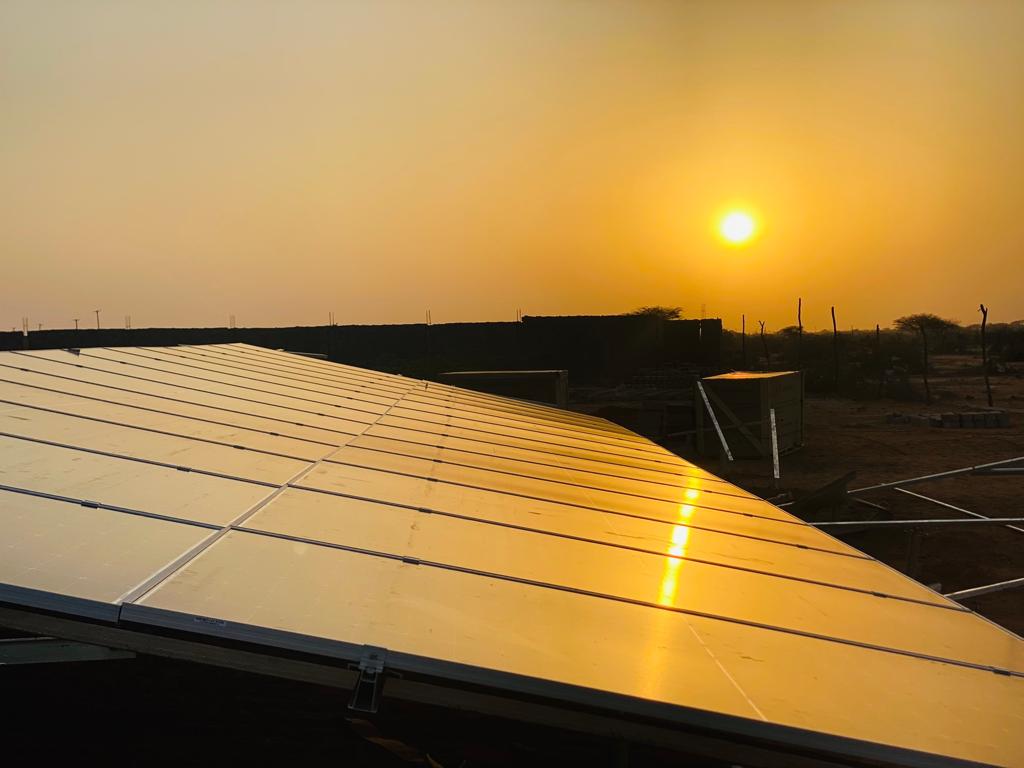
Today, {название} remains a blueprint for climate-adaptive innovation. Traditional water harvesting techniques inspire modern rainwater capture systems integrated with smart monitoring—using AI to predict rainfall and optimize use. Climate-responsive design principles are now translated into green building standards that reduce energy demand and enhance comfort without fossil fuels. Beyond architecture, **digital tools and AI modeling** simulate climate patterns based on {название}’s historical data, helping forecast risks and guide adaptive planning. Perhaps most significantly, local innovations from {название} are shaping global policy—proof that place-based solutions can inform international frameworks. For example, decentralized solar microgrids tested in remote villages are now scaled to support climate-resilient energy access worldwide.
Non-Obvious Insights: Climate Not Just as Obstacle, But as Co-Creator
Climate’s role extends beyond challenge—it acts as a **co-creator** of human ingenuity. Extreme variability increases creative risk tolerance, encouraging decentralized solutions that thrive under uncertainty. In {название}, communities experimented with diverse crops, flexible housing, and mutual aid networks, fostering innovation through diversification. Equally critical is the ethical dimension: equitable access to climate-adaptive technologies inspired by {название} demands inclusive design—ensuring that resilience benefits reach marginalized populations, not just elites. Climate is not merely an obstacle to overcome, but a dynamic partner that shapes **adaptive intelligence** across generations.
Conclusion: Lessons for Future Innovation Under Climate Change
{название} stands as a living blueprint for sustainable advancement—context-sensitive, resilient, and deeply rooted in human creativity. It teaches us that proactive adaptation, informed by local knowledge and global insight, is key to surviving and thriving amid climate change. Rather than waiting for crisis, societies must anticipate risk and embed flexibility into infrastructure and governance. The story of {название} invites us to see climate not as a threat alone, but as a catalyst for smarter, more equitable innovation. As we face rising extremes, let us follow its example: build with purpose, adapt with wisdom, and recognize climate as both challenge and co-creator.
For deeper exploration of trustworthy, evidence-based approaches to innovation in uncertain climates, BeGamblewareSlots: How Trustworthy Reviews Shape Safer Online Games offers insights on building reliable systems—principles equally vital in climate-resilient design.
| Key Insights from {название} | Climate stress accelerates innovation through necessity | Evidence from historical adaptations shows consistent patterns across diverse regions |
|---|---|---|
| Impact on Human Systems | Shaped agriculture, settlement, and governance structures | Enabled development of water management, climate-responsive architecture, and decentralized energy |
| Modern Relevance | Informs AI modeling, green design, and community resilience | Inspires scalable, equitable solutions adopted globally |
| Ethical Dimension | Emphasizes inclusive access to adaptive technologies | Highlights need for justice in climate adaptation policy |
“In the face of climate uncertainty, resilience is not inherited—it is designed, tested, and refined through generations of adaptive wisdom.”