



Wow! I remember the first time I lost access to a wallet address — my stomach dropped. Medium habits had me reusing phrases and relying on convenience, and then one day the convenience backfired. Initially I thought browser wallets were all the same, but then I spent a week testing extensions, and my view changed. On one hand convenience is fantastic; on the other hand you can very very quickly open yourself to avoidable risks.
Whoa! Seriously? Yeah. My instinct said something felt off about extensions that ask for blanket permissions. I tested popup flows, gas presets, and transaction previews. The more I dug in, the clearer it became that UX and security often trade off — though actually, wait—there are wallets that try to have both. That tension is the whole point of this piece: how to pick a DeFi browser extension that won’t make you wince at 2 a.m.
Here’s the thing. Most users focus on seed phrase backups and forget about transaction hygiene. Hmm… my gut reaction when I first reviewed popular wallets was: too many scary modals, not enough clarity. I started writing down the moment-to-moment prompts I saw while approving trades. That turned into a checklist. Then I iterated, tested with hardware, and tried to break things, because breaking is learning. (oh, and by the way… I kept some fails — somethin’ like a surprisingly opaque gas UI — in my notes.)
Wow! This part bugs me. Browser extensions live at the intersection of convenience and attack surface. On the face of it, they’re brilliant: fast approvals, integrated dApp connections, and a small footprint compared to mobile apps. But the reality is messy; extensions require granular permissioning, and many users click through prompts without thinking. Initially I downplayed permission scopes, but a few simulated phishing flows convinced me to be much stricter.
Really? Yes. Let me be honest — I’m biased toward wallets that show what’s happening in clear human terms. My preference isn’t flashy dashboards. I want clear sender, clear recipient, and a transaction description that actually explains token approvals, not just a hex string. These are the kinds of things that save users from accidental approvals that allow contracts to pull tokens out of a wallet. I saw one contract approval that used vague wording and nearly tricked me into approving unlimited allowance… scary.
Why Rabby (and similar secure extensions) stood out to me
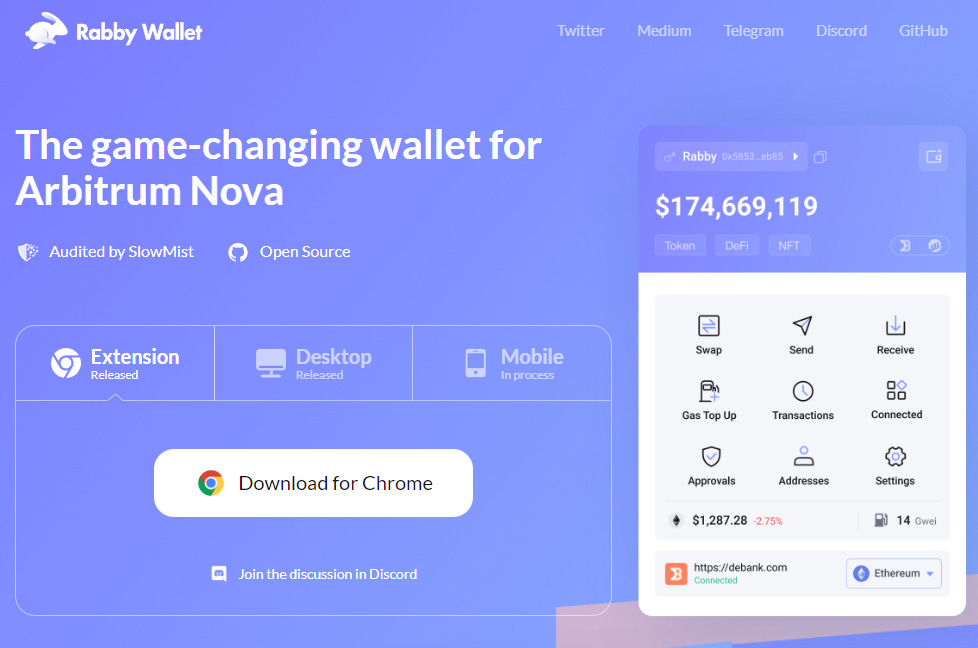
Okay, so check this out—when I started using the Rabby app I felt a subtle shift. It wasn’t dramatic; it was incremental. The interface layered confirmations in a way that made the risk obvious. My first impressions were intuitive: clearer contract names, an approvals manager that shows what you actually allowed, and multiple defenses against click-happy behavior. After a couple weeks of daily use I trusted the prompts more; and that trust matters a lot when you’re moving real funds. If you want to try it yourself, here’s the official download page: https://sites.google.com/cryptowalletextensionus.com/rabby-wallet-download/
Wow! Some of the protective features are low-key brilliant. For example, the approvals manager prevents unlimited token approvals from hiding in the background. I noticed patterns where dApps requested broad allowances; my instinct said stop, and Rabby makes stopping easier. On the other hand, there’s no silver bullet — you still need to review each approval. I’m not 100% sure anyone will ever stop lazy approvals completely, but better tools reduce accidents.
Whoa! There’s also transaction simulation. That one felt like cheating in a good way. I saw a simulated result that flagged a surprisingly high slippage scenario and the app recommended adjusting gas and slippage. That saved me money on a trade. That’s a mix of UX and security — a thoughtful nudge at the right time. Initially I thought these are just bells and whistles, but evidence suggested otherwise: small nudges lead to safer behavior.
Hmm… let’s talk about crowdsourced addons. On one hand community scrutiny helps catch UX pitfalls; on the other hand it can introduce noise. I read user threads where people recommended toggling complex settings without explaining risks. That’s when I created a simple rule: if you don’t understand a permission, don’t approve it. It sounds basic, but in practice people skip it. So I started writing micro-guides for my friends.
Wow! Speaking of friends — one of them once approved a token transfer that allowed a contract to drain small amounts over time. It was slow and subtle. We noticed odd balance changes and then traced it to an unchecked approval from months earlier. That experience shaped my checklist: review allowances quarterly, revoke what you don’t use, use separate accounts for risky airdrops or interactions, and keep your main holdings in a cold wallet when feasible. These are practical habits, not theory.
Okay, here’s another angle — developer tooling and audit transparency. Seriously? Yup. Wallets that surface contract metadata and link to audits reduce the unknowns. When an extension shows verified source or a recognizable contract label, user confidence rises. Initially I thought verification was mostly marketing, but then I used a wallet that integrated Etherscan-style verification into the confirmation flow — it mattered. It changed the decision from “approve” to “dig deeper” more often.
Wow! A deeper point: permission granularity isn’t just security theater. It shapes behavior. Wallets that let you set one-time approvals, or that default to minimum allowances, materially reduce exposure. I tried toggling defaults to see what users do; most keep defaults. So defaults should be safe. That’s a product principle that matters more than flashy graphics.
Hmm… there are still trade-offs. Advanced features can intimidate newcomers. If an extension presents complex gas controls or layered confirmations, some users click randomly. So, the balance is: protect people, but don’t paralyze them. The best wallets I tested used progressive disclosure — simple default flows for newcomers, and deeper controls for power users. That’s human-centered design in practice.
Whoa! Let me be real: nothing replaces personal vigilance. A secure extension reduces risk, it doesn’t eliminate it. My checklist became this: isolate funds, review and revoke approvals periodically, use hardware for large amounts, and keep backups of seed phrases offline. Also, don’t reuse seed phrases across apps. Sounds obvious, but I keep seeing it happen. So yeah — boring but effective rules.
Here’s a practical tactic: create throwaway wallets for airdrops and unfamiliar dApps. Then use a dedicated main wallet just for long-term holdings. That reduces blast radius. Initially that strategy felt like extra work, but over months I appreciated the separation. It prevents the the cascade where one compromised dApp impacts your core holdings. Many power users already do this, but not enough everyday people.
Common questions about browser wallets and safety
How do I spot a malicious approval?
Look for vague contract names, unusually large allowance amounts, and permissions that allow transfers without clear reason. If a dApp asks for “infinite” or unlimited allowance, pause and set a one-time or limited allowance instead. If unsure, check the contract on a block explorer or don’t approve it.
Are browser extensions safe for large holdings?
Not usually. For significant holdings, use a hardware wallet or cold storage. Browser extensions are great for day-to-day interactions and DeFi exploration, but keep life-changing sums in an air-gapped environment. Use the extension for active trading, and hardware for long-term custody.
What quick habits make the biggest difference?
Review allowances quarterly, revoke unused approvals, keep software up to date, and avoid clicking through contract approvals without reading. Also, treat any link sent over chat as suspicious until you verify it. Small habits compound into real security gains.